Om te leren hoe je PVC moet lassen, draait het allemaal om warmte, snelheid en druk. In deze handleiding wordt uitgelegd hoe het lassen van PVC werkt, welke belangrijke lasmethoden er zijn, worden stapsgewijze tips gegeven voor sterke lasnaden, worden veelvoorkomende problemen en oplossingen daarvoor besproken, en wordt uitgelegd hoe je de juiste lasapparatuur voor PVC kiest.
Deze handleiding gaat over het warmlassen van met PVC gecoate weefsels, folies en membranen. Harde PVC-buizen worden doorgaans met PVC-lijm aan elkaar bevestigd; dit is een ander proces.
In deze handleiding:
- Wat PVC-lassen is en waarom het belangrijk is
- PVC-lasmethoden
- Stapsgewijze handleiding voor perfecte PVC-lassen
- Veelvoorkomende problemen bij het lassen van PVC
- Beste werkwijzen voor het lassen van industrieel PVC
- Waar PVC-lassen wordt toegepast
- PVC-lasapparatuur kiezen
- Veelgestelde vragen
PVC-lassen begrijpen: Wat het is en waarom het belangrijk is
Bij het lassen van PVC worden twee of meer stukken PVC (polyvinylchloride) – een veelgebruikte kunststof – met elkaar verbonden door middel van verschillende technieken waarbij het materiaal onder invloed van warmte, snelheid en druk wordt gesmolten en samengesmolten. In tegenstelling tot lijmen of naaien zorgt de lasverbinding ervoor dat de lagen samensmelten tot één luchtdichte, waterdichte naad. Dit is van fundamenteel belang in sectoren zoals de bouw, de huisvestingssector en de gezondheidszorg, vanwege de duurzaamheid, kosteneffectiviteit en flexibiliteit van PVC. Het realiseren van perfecte PVC-lassen is van cruciaal belang voor het waarborgen van de structurele integriteit en de levensduur van de producten, aangezien slechte lassen tot defecten kunnen leiden, met veiligheidsrisico’s en hogere kosten tot gevolg.
De wetenschap achter PVC-lassen en sterke naden
Bij het lassen van PVC ontstaat een naadloze verbinding door een combinatie van warmte en druk; dit proces vereist een nauwkeurige regeling om effectieve en duurzame verbindingen te garanderen. De temperatuur en druk moeten zorgvuldig worden geregeld om te voorkomen dat de integriteit van het materiaal wordt aangetast, zodat de naad even sterk is als het omringende materiaal. Warmgelaste naden harden uit terwijl ze afkoelen, dus de lagen moeten onder druk blijven staan totdat de las is uitgehard.
De juiste PVC lasmaterialen en apparatuur kiezen
Het kiezen van de juiste materialen en lasapparatuur is van cruciaal belang. PVC-gecoate stoffen, folies en laminaten variëren in dikte en coating, dus de juiste instellingen zijn afhankelijk van het exacte materiaal. Niet alle PVC is hetzelfde; verschillende mengsels reageren verschillend op warmte. De gebruikte apparatuur – of het nu gaat om heteluchtlasapparaten, wiglasapparaten of radiofrequentie (RF)-lasapparaten – moet aansluiten bij de specifieke eisen van het project om optimale resultaten te behalen.
PVC-lasmethoden
Bij de verwerking van PVC wordt het werk grotendeels verricht met behulp van drie warmlasmethoden. Bij elk van deze methoden worden de oppervlakken van het PVC gesmolten en tegen elkaar gedrukt, maar het materiaal wordt op verschillende manieren verwarmd.
Hete lucht lassen
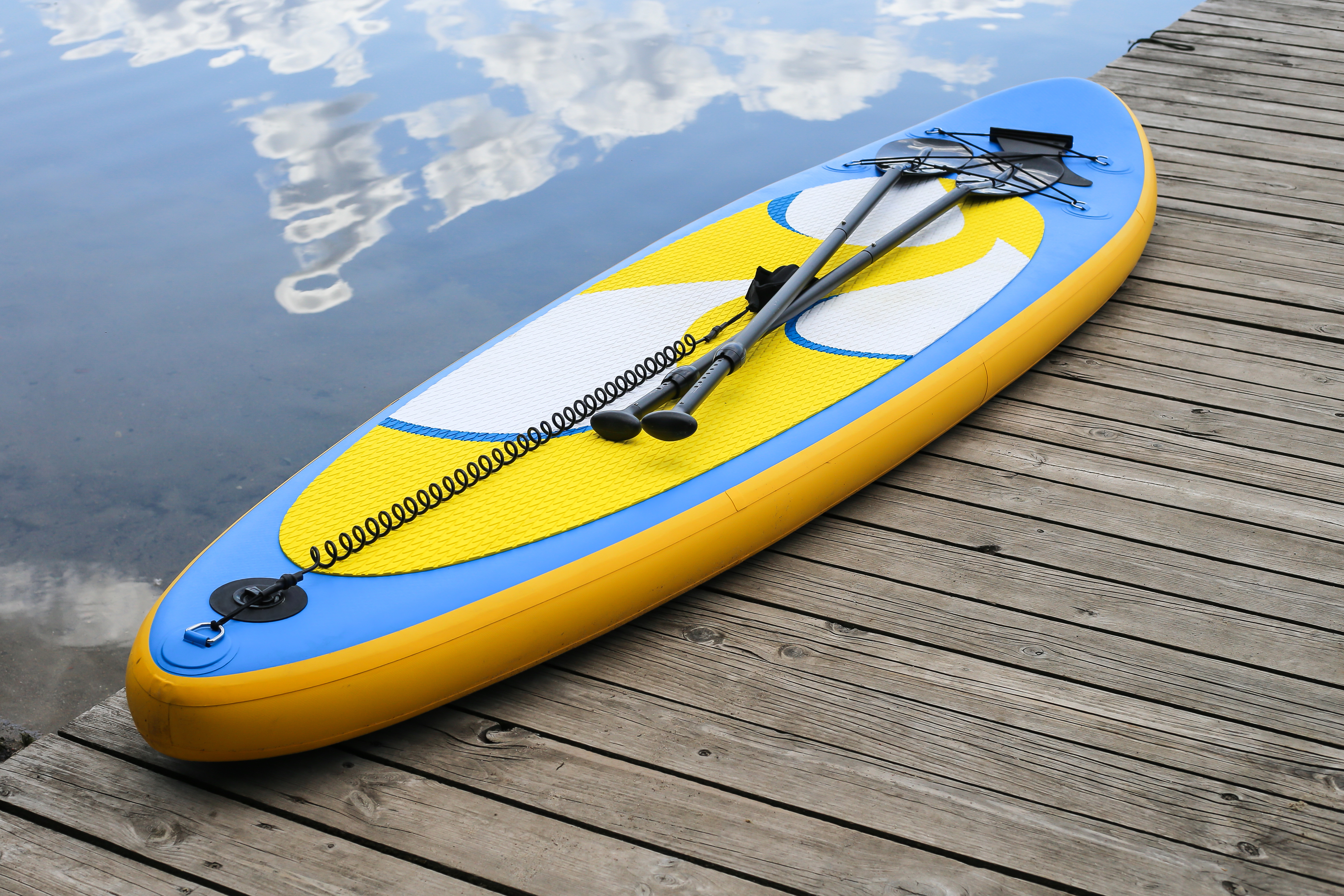
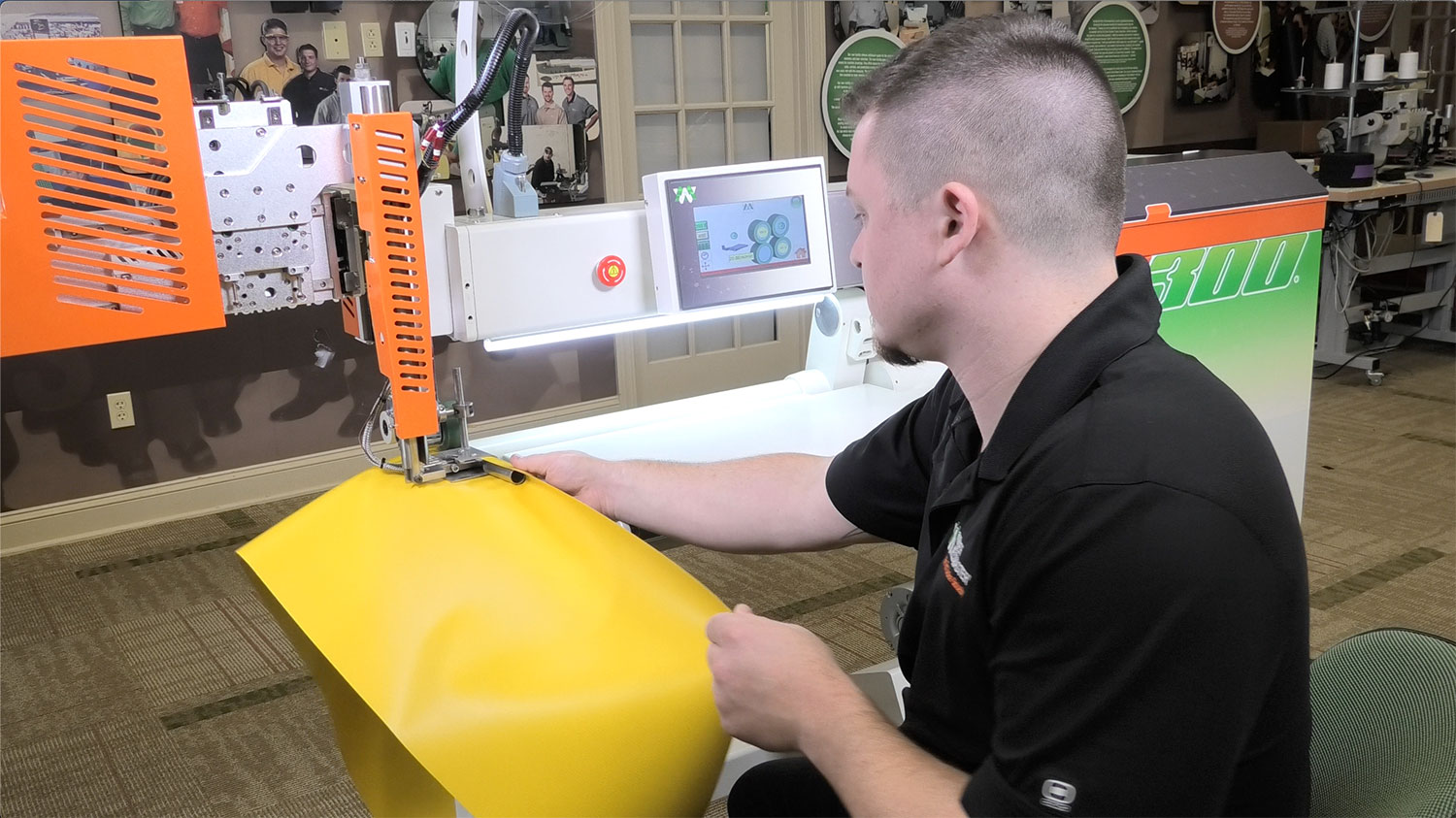
Bij het hete-luchtlassen wordt verwarmde lucht tussen overlappende lagen PVC geblazen om de oppervlakken ervan te smelten, waarna drukrollen de lagen tot een waterdichte naad samensmelten. Deze methode is geschikt voor zowel rondingen als lange naden en wordt vaak toegepast bij dekzeilen, spandoeken, tenten, dakmembranen en opblaasbare objecten.
Heet wiglassen
Bij het lassen met een hete wig wordt tussen de lagen een verwarmde metalen wig gebruikt in plaats van lucht. Rollen persen de gesmolten oppervlakken direct achter de wig tegen elkaar, waardoor deze methode zeer geschikt is voor lange, rechte naden in voeringen, afdekkingen en geomembranen.
Radiofrequentielassen (RF)
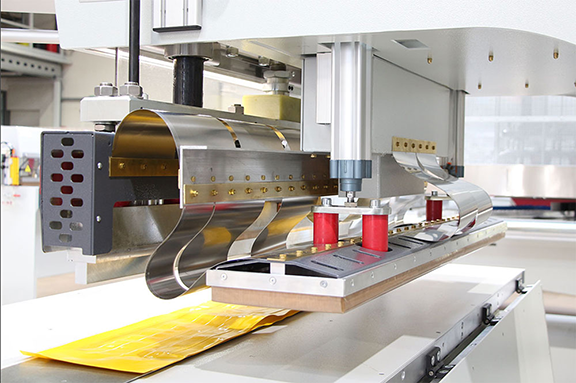
Bij radiofrequentielassen, ook wel hoogfrequentlassen genoemd, wordt elektromagnetische energie gebruikt om PVC van binnenuit te verwarmen. Deze methode zorgt voor snelle, gelijkmatige lasnaden bij de massaproductie van artikelen zoals dekzeilen, banners en industriële gordijnen.
Stap-voor-stap handleiding voor perfecte PVC-lasnaden
Om consistente PVC-naden van hoge kwaliteit te maken, zijn verschillende belangrijke stappen nodig, van voorbereiding tot het eigenlijke lasproces. Hier volgt een gedetailleerde handleiding:
PVC voorbereiden op lassen: Reinigen en instellen
Een goede voorbereiding van PVC-oppervlakken is essentieel. Schone, droge en gladde oppervlakken zijn cruciaal voor een sterke hechting, en een gelijkmatige overlapping tussen de lagen is van vitaal belang voor het creëren van sterke, lekvrije naden. Eventuele verontreinigingen zoals vuil of vet kunnen een goede hechting verhinderen en leiden tot zwakke lasnaden. Door de materialen correct uit te lijnen en vast te zetten, wordt ervoor gezorgd dat ze tijdens het lasproces niet verschuiven, waardoor de uniformiteit en sterkte over de gehele naad behouden blijven.
Temperatuur en snelheid beheersen voor sterkere lassen
De lastemperatuur moet nauwkeurig worden geregeld, afgestemd op het type PVC dat wordt gelast. Een te hoge temperatuur kan het materiaal verbranden, terwijl een te lage temperatuur het mogelijk niet voldoende smelt om een sterke verbinding te vormen. Ook de snelheid van het lasproces is van invloed op de sterkte en het uiterlijk van de lasnaad. Een optimale afstelling van de luchtstroom en de drukinstellingen is cruciaal voor het behalen van de beste resultaten. De juiste temperatuur hangt af van het materiaal, de dikte ervan, de breedte van de lasnaad en de las snelheid. Ga uit van de materiaalinstellingen van uw machine en test altijd eerst op een proefstuk voordat u met de volledige productie begint.
Zwakke of inconsistente lassen voorkomen en repareren
Inzicht in veelvoorkomende lasfouten zoals oververhitting, onjuiste snelheid en onvoldoende druk kan helpen om ze te voorkomen. Om lekken te voorkomen is het van cruciaal belang dat de verbinding schoon is, goed is uitgelijnd en goed vastzit. Regelmatige controles op tekenen van slechte lassen zoals spleten, brandplekken of ongelijke naden zijn van vitaal belang. Technieken om de sterkte van de lasnaden te versterken en te testen kunnen een langdurige duurzaamheid garanderen.
Veelvoorkomende PVC lasproblemen en hoe ze op te lossen
Waarom uw PVC-lasnaden falen (en hoe ze te repareren)
Door veelvoorkomende problemen, zoals onjuiste temperatuurinstellingen, een verkeerde uitlijning van het materiaal of verontreiniging, op te sporen en aan te pakken, kan het aantal lasfouten drastisch worden verminderd. Een goede oppervlaktevoorbereiding en het vermijden van veelgemaakte fouten zijn cruciaal voor een sterke las. Oplossingen kunnen bestaan uit het aanpassen van de instellingen van het lasapparaat, het verbeteren van de materiaalverwerkingsprocessen of het herontwerpen van de lasprocedure.
Materiaalvervorming en oververhitting voorkomen
Overmatige hitte kan ervoor zorgen dat PVC vervormt, wat niet alleen het uiterlijk aantast, maar ook de structurele sterkte van het materiaal kan verminderen. Door te leren hoe de warmtetoevoer kan worden aangepast aan de dikte en het type materiaal, kan schade worden voorkomen en blijft de integriteit van het PVC behouden. Het gebruik van hulpmiddelen zoals de las- en naadinspectiesystemen van Miller Weldmasterkan helpen bij het nauwkeurig opsporen en controleren van lasnaden en las temperaturen, waardoor wordt gegarandeerd dat tijdens het lasproces de optimale warmte wordt toegepast. Dit verbetert niet alleen de kwaliteit van de lasnaden, maar voorkomt ook oververhitting, waardoor de structurele en esthetische eigenschappen van het PVC behouden blijven.
Beste Praktijken voor Industriële PVC Lasefficiëntie
Snelheid verhogen zonder in te boeten aan lassterkte
In een industriële omgeving is efficiëntie van cruciaal belang. Nauwkeurig snijden en gelijkmatige overlappingen zorgen ervoor dat de naden recht blijven en lekken worden voorkomen. Het is van cruciaal belang om technieken toe te passen die de snelheid van het lasproces verhogen zonder dat dit ten koste gaat van de kwaliteit van de lasnaden. Vooruitgang op het gebied van automatisering en het gebruik van geavanceerde lasmachines kunnen helpen om dit evenwicht te bereiken.
De beste PVC lasmethode voor uw toepassing kiezen
De keuze van de lasmethode hangt grotendeels af van de specifieke toepassing. Zo is hete-luchtlassen geschikt voor dunnere platen en gebogen lasnaden, terwijl hete-wiglassen de voorkeur kan genieten voor dikkere profielen en lange, rechte lasnaden. RF-lassen wordt vaak gebruikt voor waterdichtingsdoeleinden, zoals bij dekzeilen en tenten.
Waar PVC-lassen wordt toegepast
- Waterdichting en geomembranen: Gelaste PVC-bekledingen worden gebruikt in irrigatiekanalen, vijvers en stortplaatsen, en vormen waterdichte barrières in de bouw. Bekijk onze lasmachines voor geomembranen.
- Tenten en dekzeilen: Met PVC-lassen worden zijwanden voor tenten, keder, zomen met oogjes en tentdaken vervaardigd, evenals scheurbestendige dekzeilen. Bekijk ons assortiment tentlasmachines.
- Maatwerk en prototypen: Dankzij laswerk kunnen nieuwe ontwerpen snel worden geprototypeerd en kunnen onderdelen op maat worden vervaardigd. Tijdens een ‘ Miller Weldmaster Design Day’ kunt u samen met onze technici in onze werkplaats prototypes ontwikkelen en testen. Als u niet langs kunt komen, stuur ons dan monsters van uw materiaal, dan testen wij welke lasmethode het beste werkt.
- Massaproductie: Geautomatiseerde PVC-laslijnen zorgen voor een constante laskwaliteit bij duizenden eenheden en zijn geschikt voor zowel kleine series als grote producties.
PVC-lasapparatuur kiezen
Welke PVC-lasmachine het meest geschikt is, hangt af van wat u maakt, de materialen die u last en hoeveel u produceert.
Soorten PVC-lasmachines
- Handgereedschap: Draagbare heteluchtlasapparaten voor precisiewerk, reparaties en installaties op locatie, zoals het EliteAir-handgereedschap.
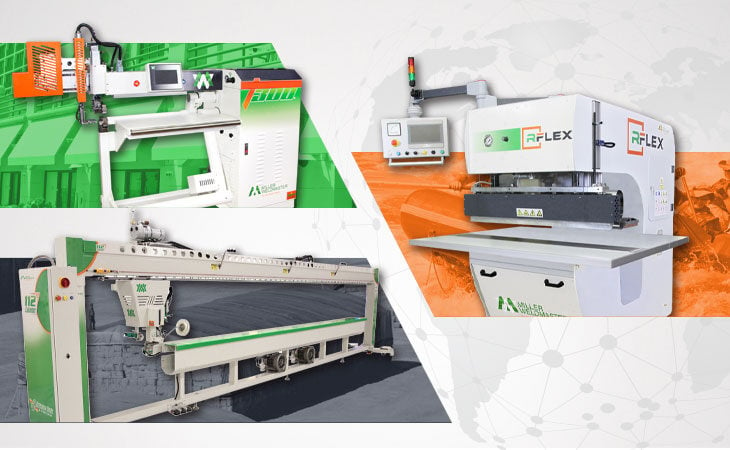
- Stationaire machines: Hetelucht-, hete-wig- en RF-lasapparaten voor productiewerkzaamheden op de werkvloer.
- Geautomatiseerde systemen: Machines met afwikkel- en opwikkelinrichtingen en materiaaltransport voor een hoge productie en consistente output.
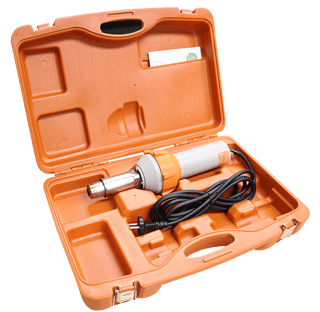
Functies waar je op moet letten
- Automatisering: vermindert fouten, verlaagt de arbeidskosten en versnelt de productie.
- Materiaalcompatibiliteit: De machine moet geschikt zijn voor het type en de dikte van uw PVC. Test eerst wat materialen voordat u tot aankoop overgaat.
- Instelbare parameters: naadbreedte, temperatuur, snelheid en druk kun je voor elk materiaal afzonderlijk instellen.
- Ruimte om te groeien: modulaire ontwerpen waarmee je functies kunt toevoegen naarmate de productie toeneemt.
Vragen die je moet stellen voordat je iets koopt
- Welk productievolume verwacht u?
- Welke naadsoorten en -lengtes zijn nodig voor uw producten?
- Zijn er branchenormen waaraan uw producten moeten voldoen?
- Past de machine in uw huidige werkproces?
Fouten die je moet vermijden
- Onderschatting van de productiebehoeften: een machine met te weinig capaciteit kan de groei belemmeren.
- Alleen op basis van de prijs kiezen: goedkopere apparatuur beschikt mogelijk niet over de functies die u nodig hebt.
- Het overslaan van training: Training van het bedieningspersoneel is essentieel voor consistente lasnaden.
- De verkeerde methode kiezen: De lasmethode moet zijn afgestemd op uw materiaal en lasnaad.
Hoe Miller Weldmaster u helpt perfecte PVC-lasnaden te maken
Miller Weldmaster, een leider in de lasindustrie, levert eersteklas PVC lasoplossingen die zowel de efficiëntie als de kwaliteit van lassen verbeteren. Onze machines zijn ontworpen om sterke, consistente lassen te leveren en worden ondersteund door tientallen jaren innovatie en een diep begrip van de lasindustrie.
De toonaangevende PVC lasmachines van Miller Weldmaster
Ons assortiment lasmachines omvat opties die op maat gemaakt zijn voor verschillende PVC-toepassingen, waarbij precisie en duurzaamheid gegarandeerd zijn. We bieden aanpasbare oplossingen die zich kunnen aanpassen aan verschillende operationele schalen en behoeften, van kleine werkplaatsen tot grote industriële operaties.
Waarom Miller Weldmaster kiezen voor uw PVC lasbehoeften?
Met jarenlange ervaring in de industrie, betrouwbare apparatuur en toegewijde ondersteunings- en trainingsdiensten is Miller Weldmaster uw partner bij uitstek voor het maken van onberispelijke PVC-lasnaden. De succesverhalen van onze klanten weerspiegelen onze toewijding aan uitmuntendheid en innovatie in lastechnologie.
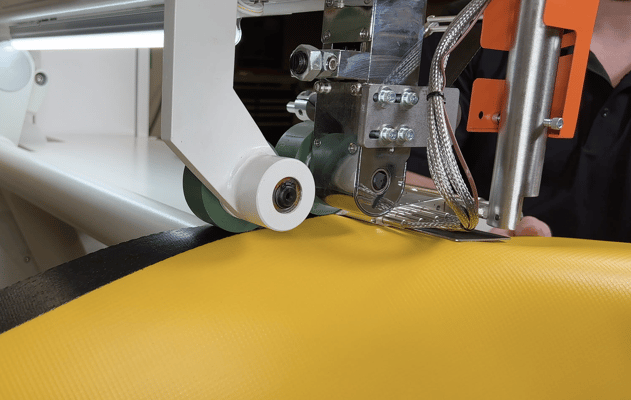
Weet u niet zeker welke machine geschikt is voor uw PVC-producten? Neem dan contact op met een expert van Miller Weldmaster , of stuur ons een monster, dan testen wij het op onze machines.
Gerelateerde handleidingen
- Waarom met PVC gelamineerde stof het meest geschikt is voor het lassen van tenten
- Hoogfrequentlassen van PVC
- Wat is heteluchtlassen?
Door de principes, beste praktijken en mogelijke valkuilen van PVC-lassen te begrijpen, kunt u perfecte lassen maken die sterk, duurzaam en esthetisch aantrekkelijk zijn, zodat de levensduur en functionaliteit van uw op PVC gebaseerde producten gegarandeerd is.