Silicone edge graphics (SEG) have become a popular solution for trade show displays, retail environments, exhibits, backlit signage, and other large-format graphics. SEG fabric is a dye-sublimated textile finished with a silicone keder strip sewn along its perimeter, and that keder fits into a recessed channel in an aluminum frame to create the tensioned, smooth, frameless-looking display surface these systems are known for.
For businesses, fabricators, and manufacturers producing display graphics, that finished appearance depends on more than print quality. The way the fabric is finished—and particularly how the silicone edge is attached—directly affects fit, presentation, installation speed, and the risk of costly production errors.
While Miller Weldmaster is known for fabric welding equipment, the silicone keder used in SEG production is sewn, not welded. This overview explains what SEG fabric is, how the sewing process works, when sewing and welding serve different finishing roles, which fabric types are used for SEG, and how the production workflow and Miller Weldmaster equipment support consistent fabrication.
Learn more about Miller Weldmaster's sign and banner finishing equipment.
Belangrijkste opmerkingen
- SEG fabric is typically a dye-sublimated textile with a silicone keder strip sewn around its perimeter.
- The silicone edge must fit the aluminum frame channel correctly to produce the proper tension and finished appearance.
- SEG keder attachment is a sewing process rather than a welding process.
- Welding can still be used for hems, pole pockets, seams, and other components found throughout sign and banner production.
- Polyester dye-sublimation fabric is commonly used for SEG applications.
- Knit and woven fabrics behave differently under tension and can require different considerations during finishing.
- Maintaining consistent material handling, sewing tension, and dimensions is critical to producing repeatable SEG graphics.
What Is Silicone Edge Graphics (SEG) Fabric?
SEG Fabric Definition
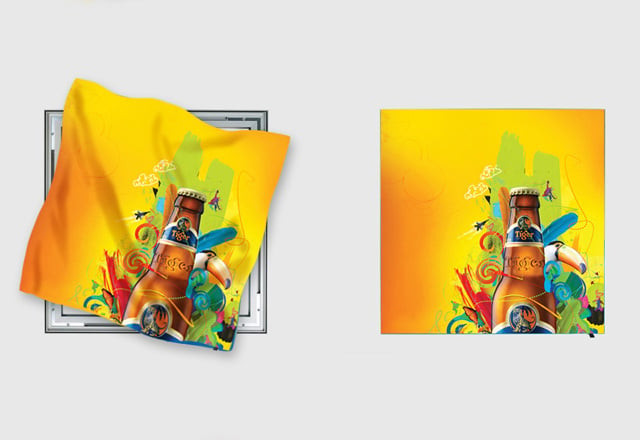
Silicone edge graphics, or SEG, are dye-sublimated textile graphics finished with a thin silicone or silicone-like strip sewn around the perimeter of the fabric. This strip, commonly referred to as a keder edge, is inserted into a recessed channel in an aluminum frame.
Once installed, the frame tensions the fabric from edge to edge, creating a smooth display surface with minimal visible hardware. This makes SEG an appealing option for applications where presentation and image quality are important, including retail displays, trade show exhibits, backlit graphics, corporate environments, and other large-format signage.
It is important to understand that "silicone edge graphics" refers to the finishing method rather than one specific type of fabric. Different textile constructions can be used depending on the application, print requirements, frame, and desired finished appearance.
No matter which material is selected, precision during finishing is critical. The dimensions of the graphic, keder size, sewing consistency, and frame profile must work together for the finished panel to install correctly.
How the Keder Edge Works
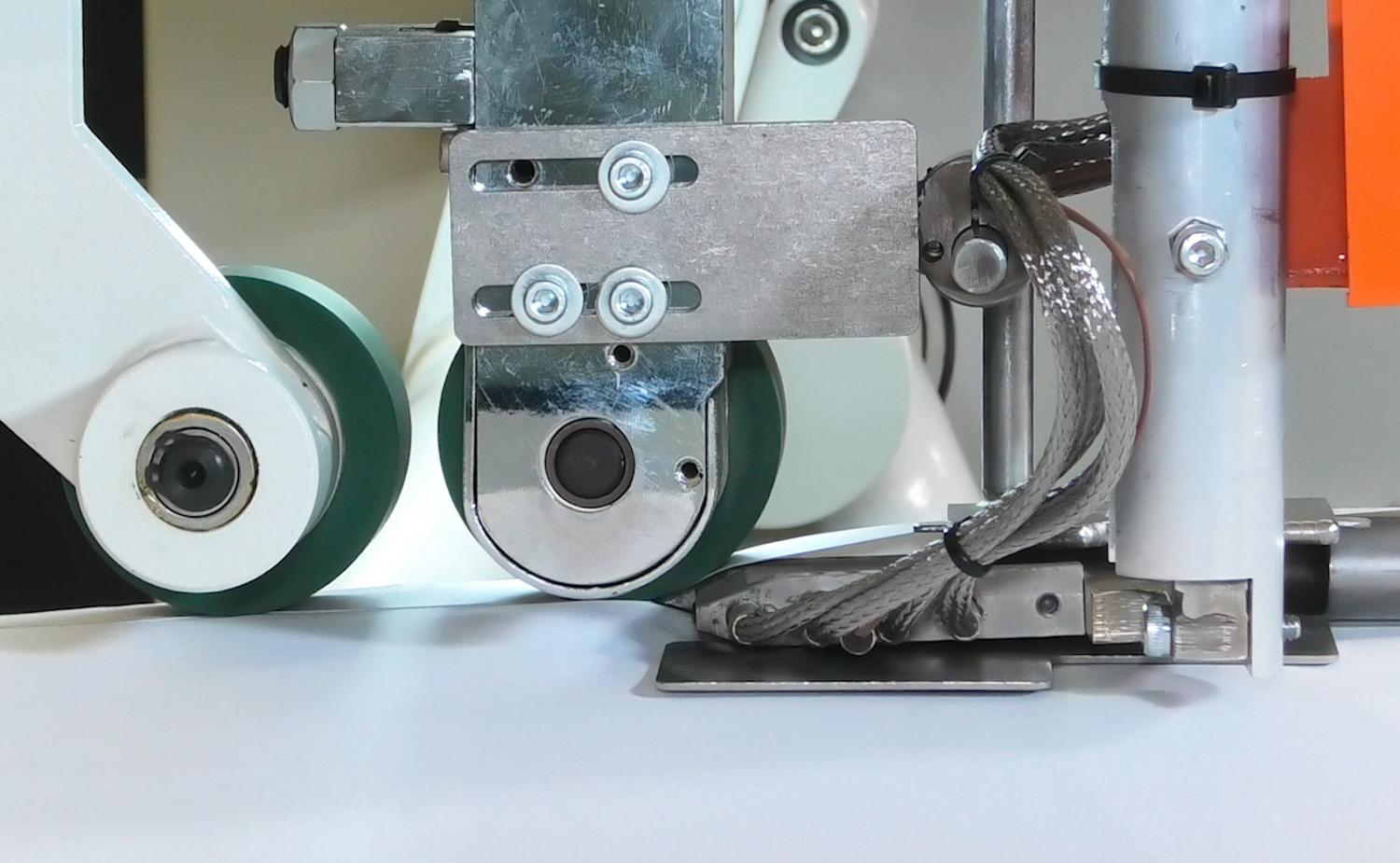
The keder is sewn continuously around the perimeter of the printed textile. Its size must correspond with the channel profile specified by the frame manufacturer.
During installation, the silicone edge is pressed into the channel of the aluminum frame. As each edge is inserted, the fabric is pulled taut across the display.
When everything is sized and finished correctly, the result is a smooth graphic with no obvious fasteners or traditional framing visible from the front.
Because the keder directly affects how the graphic fits and tensions inside the frame, consistency is essential. Variations in the fabric dimensions, sewing tension, or keder placement can affect the finished appearance.
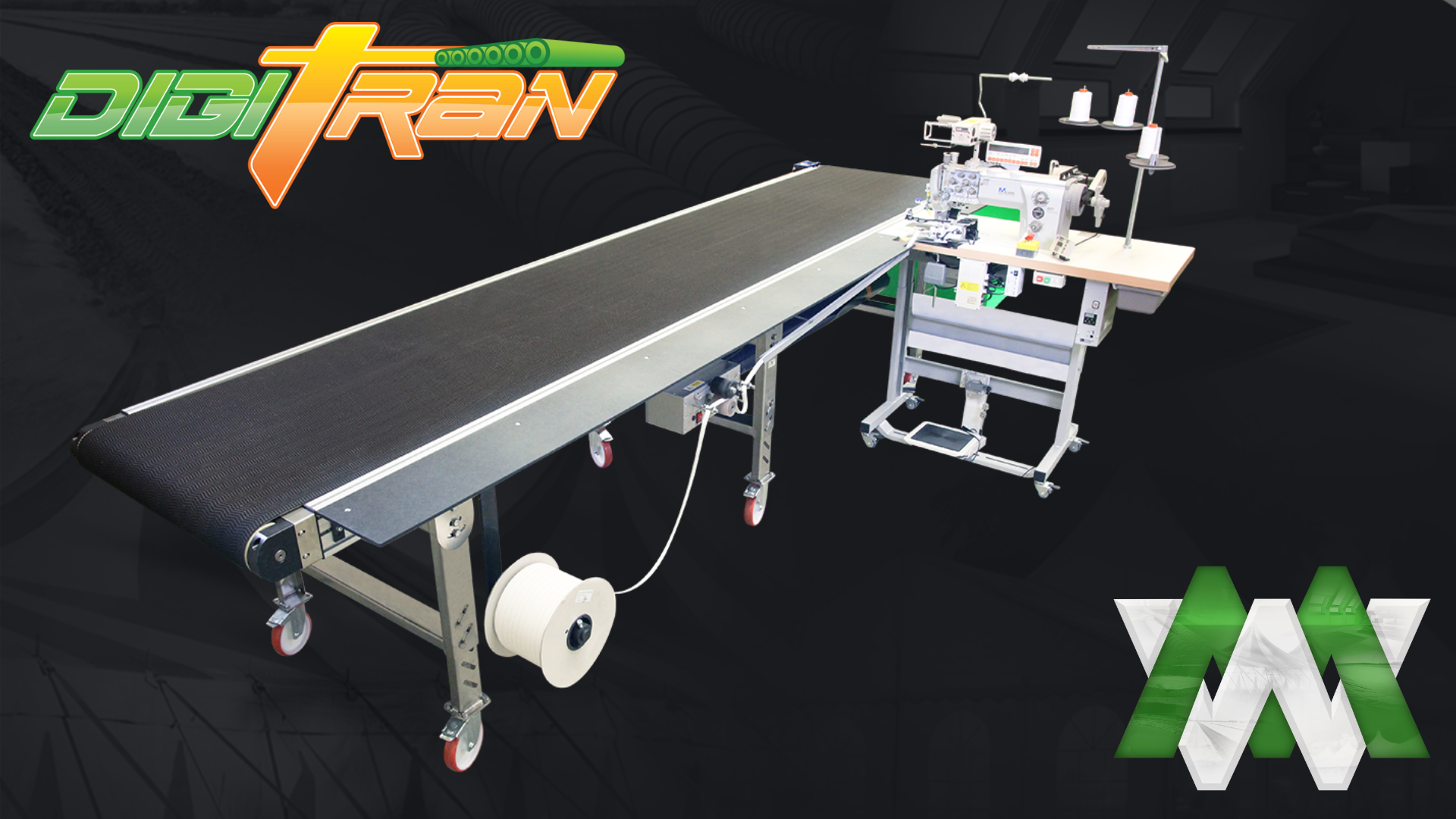
The Miller Weldmaster Digitran automated sewing system is designed for this type of SEG finishing operation, using synchronized material handling to help feed and align the fabric as the silicone strip is sewn onto the graphic.
Is SEG Fabric Sewn or Welded?
This is an important distinction for fabricators considering different finishing technologies.
The silicone keder on an SEG panel is sewn, not welded.
The keder must be positioned consistently along the edge of the dye-sublimated textile so the completed graphic fits properly into its corresponding frame channel. Sewing provides a method of mechanically attaching the flexible keder strip to the textile while maintaining its position along the perimeter.
Fabric welding serves a different purpose.
Processes such as hot air, hot wedge, impulse, and radio frequency welding are used to bond compatible materials. Rather than using thread to mechanically join two components, welding creates a bond between compatible material layers.
That makes welding valuable for many sign and banner finishing applications, but it does not replace sewing when attaching the silicone keder to a standard SEG textile graphic.
| Operatie | Method Used | Why |
|---|---|---|
| SEG keder attachment | Genaaid | Provides precise placement of the flexible keder along the textile edge |
| Banner hems and pole pockets | Gelast | Bonds compatible materials to create finished seams, hems, and pockets |
| Mixed-material or decorative seams | Genaaid | Appropriate when materials are not mutually weldable or stitching is desired |
For a broader comparison of the two processes, read more about industrial sewing vs. fabric welding.
Where Does Welding Fit Into SEG and Sign Production?
Although the SEG keder itself is sewn, welding can still be an important technology in a sign and graphics operation.
Many fabricators do more than SEG. The same facility may manufacture traditional banners, pole banners, backdrops, large-format graphics, billboards, and other textile or flexible-material products.
These products may require operations such as:
- Hems
- Paalzakken
- Straight seams
- Reinforced edges
- Multi-panel joins
- Other finishing operations involving compatible weldable materials
In those applications, fabric welding can help create consistent seams while reducing the amount of manual sewing required.
For larger sign and banner operations producing a variety of products, the question does not necessarily have to be sewing or welding. The better question is which technology is appropriate for each finishing process.
For example, a shop may use automated sewing equipment for SEG production while using hot wedge welding for signs for compatible banner applications.
Why Fabric Tolerance Makes or Breaks an SEG Panel
A high-quality SEG graphic depends heavily on fit.
There is a relatively narrow window between a panel that fits properly and one that is either too tight or too loose. Even small dimensional variations can affect installation and appearance.
If the completed graphic is too tight, installers may struggle to seat the keder into the frame. Excessive tension can also distort the printed image around the edges.
If the graphic is too loose, the material may sag or wrinkle rather than producing the smooth appearance customers expect from SEG.
Several variables can influence the final dimensions.
Fabric Shrinkage and Stretch
Dye-sublimation requires heat, and the printing and heat-setting process can affect the dimensions of the textile. Depending on the material, some fabrics may shrink or stretch slightly during production.
Fabricators should understand how their chosen material behaves before determining final cut dimensions.
Sewing Consistency
Consistent sewing tension is important throughout the entire perimeter of the graphic. Variations can affect how the keder sits relative to the fabric and how evenly the completed graphic tensions inside the frame.
Keder and Frame Compatibility
The keder must correspond with the manufacturer's frame-channel specifications, including when fitting graphics to an existing seg frame, as long as the keder profile and channel dimensions match. Shops may also supply frames from other sources, but frame dimensions and channel specs still need to be verified before production. Using the wrong keder profile can result in a graphic that does not seat properly, regardless of how accurately the fabric itself was produced.
For a new material or frame combination, fabricators should:
- Confirm the exact frame channel and required keder profile.
- Account for material behavior during printing and heat-setting.
- Maintain consistent sewing tension throughout the perimeter.
- Test-fit a sample before committing to a full production run.
Taking time to validate these variables can help prevent costly reprints, re-cuts, and production delays.
What Fabrics Work for SEG?
Polyester Dye-Sub Fabric
Polyester dye-sublimation fabric is the standard material used for many SEG applications.
Dye sublimation can produce vivid graphics while allowing the printed textile to retain the flexibility needed to tension into an SEG frame. Depending on the specific material, polyester textiles may also be washable and reusable, making them useful for graphics that will be installed multiple times.
However, not all polyester textiles behave exactly the same. Fabric construction can affect stretch, dimensional stability, handling, and finishing.
Knit vs. Woven SEG Fabric
Both knit and woven fabrics can be used in SEG applications, but they behave differently during production and installation.
Knit fabrics generally offer more stretch and flexibility. This can help when tensioning the graphic into a frame, but additional stretch can also introduce variability during sewing and finishing.
Woven fabrics tend to provide greater dimensional stability and a more structured feel. That stability can be helpful during production, although a less forgiving material may require tighter control over finished dimensions.
Neither construction is universally better. The appropriate choice depends on the display, frame, printing process, appearance, and production requirements.
PVC and Mesh
PVC and mesh are commonly used elsewhere in sign and banner production but are not typically the primary textile used for a traditional SEG panel.
They may, however, be part of a fabricator's broader product mix. Understanding weldable and sewable material compatibility can help determine which finishing process and equipment should be used across different applications.
Building an SEG-Ready Finishing Workflow
Consistency in SEG production starts well before the keder reaches the sewing machine.
A repeatable workflow can help fabricators minimize errors and improve finished-panel consistency.
Step 1: Confirm the Frame and Keder Specifications
Before cutting the fabric, confirm the frame profile and required keder dimensions with the frame or display manufacturer.
Step 2: Print and Heat-Set the Fabric
Print the graphic and complete the dye-sublimation process while accounting for any expected material shrinkage or stretch.
Step 3: Sew the Keder
Attach the silicone edging sewn around the perimeter while maintaining consistent alignment and tension, then simply insert it into the frame channel during installation.
Step 4: Complete Additional Finishing
If the overall project includes other banner sections, hems, seams, or pole pockets, complete those operations using the appropriate sewing or welding process for the materials involved.
Step 5: Test the Finished Graphic
Test-fit the panel, particularly when working with a new material, keder profile, or frame combination.
Shops producing both SEG and traditional banners may benefit from combining sewing and welding technologies within their finishing operation. Learn more about Miller Weldmaster's industrial sewing technology.
SEG Fabric for Large-Format and Multi-Panel Displays
SEG is frequently used for large trade show displays, backwalls, retail installations, and other applications where graphics may cover significant areas.
As display sizes increase, production consistency becomes even more important.
Large graphics require careful control of panel dimensions, material movement, alignment, and finishing. If multiple graphics are installed next to one another, dimensional differences can become much more noticeable.
Fabricators should consider how panels will align once installed, where seams or adjoining components will be positioned, and how the material will behave under tension.
These considerations become particularly important when a shop produces both SEG graphics and traditional large-format banner products.
For additional information, explore large-format sign finishing considerations and double hem finishing systems.
How Miller Weldmaster Supports SEG Fabric Production
Producing professional SEG graphics requires more than simply attaching a silicone edge. Fabricators need a finishing process that helps them manage material consistently while maintaining the accuracy required for the final graphic to fit its frame.
The Miller Weldmaster Digitran is designed to automate the sewing and finishing process for SEG fabric printing and other digitally printed textiles.
Its synchronized material handling helps feed and align the textile during production, allowing the keder to be sewn along the fabric edge before the finished panel is cut to size.
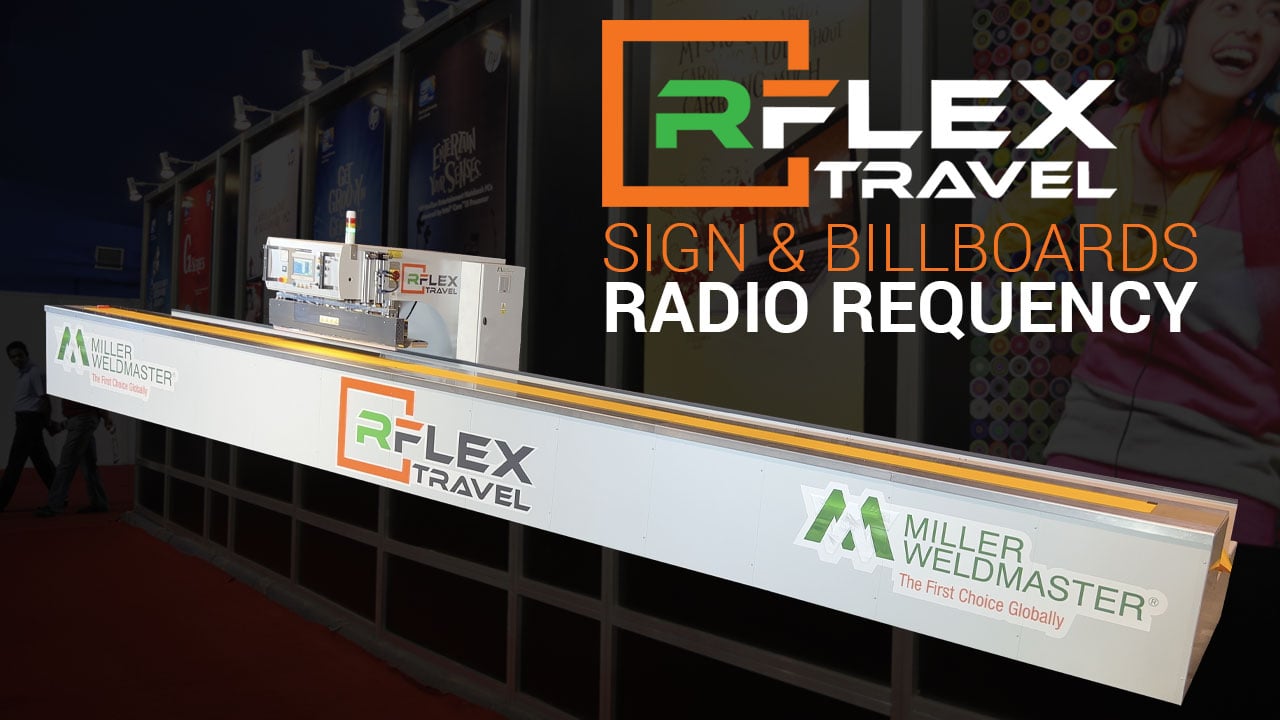
For businesses producing SEG alongside banners and other flexible-material products, Miller Weldmaster also offers fabric welding solutions for compatible materials and applications. This gives manufacturers the opportunity to build a broader finishing operation around the products they manufacture rather than relying on a single joining technology for every application.
Whether you're looking to increase SEG production, reduce manual material handling, improve consistency, or expand into additional sign, banner, and seg fabric products, Miller Weldmaster can help identify the right equipment for your production goals.
Learn more about the Digitran or contact the Miller Weldmaster team to discuss your application.
Improve Your SEG and Sign Finishing Process
Producing high-quality SEG graphics comes down to controlling the details—from material selection and printing to keder sizing, sewing consistency, and final fit.
For SEG, that means recognizing that the silicone keder is a sewing application, while welding remains an important technology for many other sign and banner finishing processes.
By matching the right technology to each application, fabricators can build a more efficient finishing workflow, improve consistency, and expand the range of products they can confidently produce.
Ready to improve your SEG or sign finishing operation?
Explore the Miller Weldmaster Digitran and our complete range of sign and banner finishing solutions to find the right equipment for your production needs.
Frequently Asked Questions About SEG Fabric
What is silicone edge graphics (SEG) fabric?
SEG fabric is a dye-sublimated textile graphic finished with a silicone keder strip sewn along its perimeter. The keder inserts into a recessed aluminum frame channel, or fabric frame, tensioning the fabric to create a smooth display surface without visible hardware or a traditional border.
Is SEG fabric sewn or welded?
The silicone keder edge on an SEG panel is sewn, not welded. Welding is used for compatible materials in other sign and banner finishing applications, including hems, seams, and pole pockets.
What fabric is used for SEG displays?
SEG fabric is a dye-sublimated textile graphic finished with a silicone keder strip sewn along its perimeter. The keder inserts into a recessed aluminum frame channel, or fabric frame, tensioning the fabric to create a smooth display surface without visible hardware or a traditional border.
How tight should an SEG keder fit in the frame?
The keder should fit snugly into the frame channel while creating even tension across the graphic. A fit that is too tight can make installation difficult or distort the graphic, while a fit that is too loose can contribute to sagging and wrinkles.
What machine sews SEG keder edges?
Automated sewing systems designed for SEG production, such as the Miller Weldmaster Digitran, can help feed and align the textile while sewing the silicone keder strip along the fabric edge.
Can polyester dye-sub fabric be used for SEG?
SEG fabric is a dye-sublimated textile graphic finished with a silicone keder strip sewn along its perimeter. The keder inserts into a recessed aluminum frame channel, or fabric frame, tensioning the fabric to create a smooth display surface without visible hardware or a traditional border.
Why do SEG fabric graphics wrinkle or sag?
Wrinkling or sagging can result from an improper keder-to-frame fit, inconsistent sewing tension, dimensional variations in the finished graphic, or changes in the fabric during printing and heat-setting.