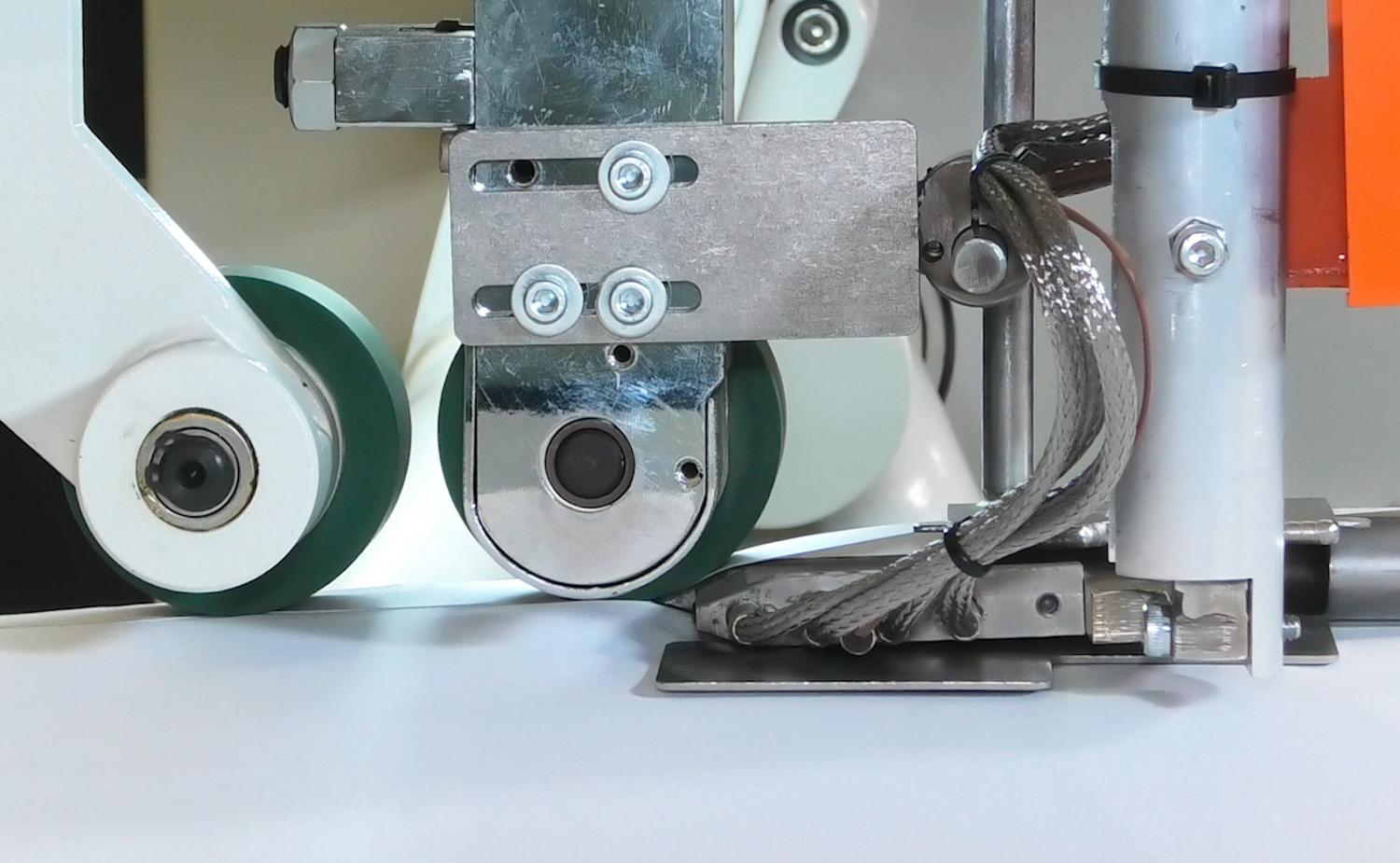
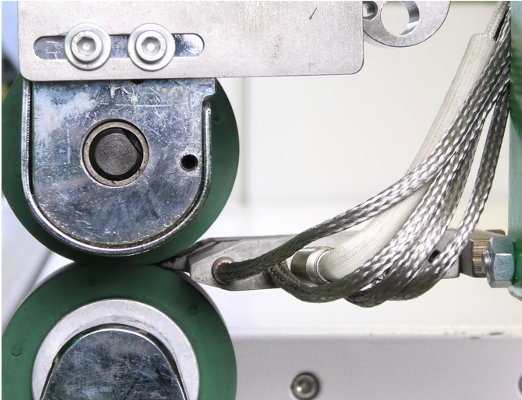
Industrieel warm wiglassen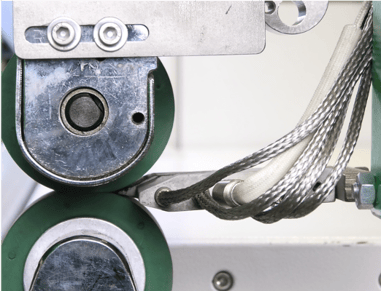 maakt gebruik van een verwarmde wig die precies op een laspunt wordt geplaatst en thermoplastische materialen aan elkaar last. Met behulp van dubbele drukrollen wordt het materiaal of de folie vervolgens over de verwarmde wig getrokken om een duurzame naad te creëren.
Het heteluchtlassen wordt vaak gecombineerd met industriële heteluchtlastechnologie en verlaagt de kosten, verbetert de efficiëntie en verhoogt de algehele productkwaliteit. Beide lassen thermoplastische materialen aan elkaar om lucht- en waterdichte naden te maken, evenals gebogen en rechte naden, om sterke, duurzame producten te maken.
Hoewel industrieel hot wedge welding fabrikanten onmiskenbare voordelen biedt, kan de ene toepassing beter werken dan de andere. Om u te helpen beslissen of het tijd is om te investeren in een hot wedge lasoplossing, hebben we hieronder de belangrijkste voordelen, toepassingen en meer op een rijtje gezet.
In deze handleiding:
- How hot wedge welding works
- Top benefits of hot wedge welding
- Hot wedge welding applications
- Which materials can be hot wedge welded?
- Hot wedge welding vs. sewing, adhesives, and RF
- Tips for strong hot wedge seams
- Choosing the right hot wedge technology
- Veelgestelde vragen
Hoe Hot Wedge-lassen werkt
Hot wedge welding joins two layers of thermoplastic fabric or film with heat and pressure, without thread, needle holes, or adhesives. It happens in three steps:
- Heat: A heated metal wedge sits between the two layers and softens both surfaces by direct contact.
- Press: Pressure rollers right behind the wedge press the softened surfaces together and pull the material through the machine.
- Cool: The seam cools and sets into one airtight, watertight bond.
Because the heat comes from direct contact rather than moving air, hot wedge welding delivers steady heat and runs quietly. Seam quality depends on three settings working together: wedge temperature, travel speed, and roller pressure. See how temperature, speed, and pressure affect PP and PE seams.
Belangrijkste voordelen van Hot Wedge Welding
Industrial hot wedge welding technology offers specific benefits, dependent on each application. However, this technology is designed to increase production speed, enhance quality and improve overall consistency of products, specifically those that require a long, straight seam.
Consider the following benefits of an industrial hot wedge welding solution
- Verhoog de levensduur van producten. Produceer lucht- en waterdichte rechte naden om de levensduur van aan elkaar gelaste producten en materialen te verlengen.
- Maak een product van heel dikke stof. Maak stevige producten door meerdere lagen materiaal aan elkaar te lassen.
- Een stillere werkomgeving mogelijk maken. Elimineer het geluid dat ontstaat tijdens het productieproces wanneer apparatuur in gebruik is.
- Higher speed. Weld at up to 21 m/min (69 ft/min), depending on the machine, material and seam.
De beste toepassingen van Hot Wedge Lastechnologie
Industriële hot wedge-technologie wordt vaak gebruikt om een product te maken dat gemaakt is van folie, gecoate materialen, gelamineerde materialen en/of dat een lange, rechte naad nodig heeft. Producten die baat hebben bij hot wedge-technologie variëren in grootte en dikte, maar hebben allemaal hetzelfde doel voor ogen: stevige en duurzame materialen.
Producten die vaak het meeste voordeel halen uit het gebruik van hete wiglastechnologie zijn:
Welke materialen zijn lasbaar met Hot Wedge-technologie?
Bij het evalueren van uw lasbehoeften is het ook cruciaal om te bepalen of uw materialen lasbaar zijn met de hot wedge lastechnologie. Industriële thermoplastische stoffen en folies zijn doorgaans ideaal voor hot wedge welding, zoals:
- Polyurethaan (PU)
- Polypropyleen (PP)
- Polyvinylchloride (PVC)
- Polyethyleen (PE)
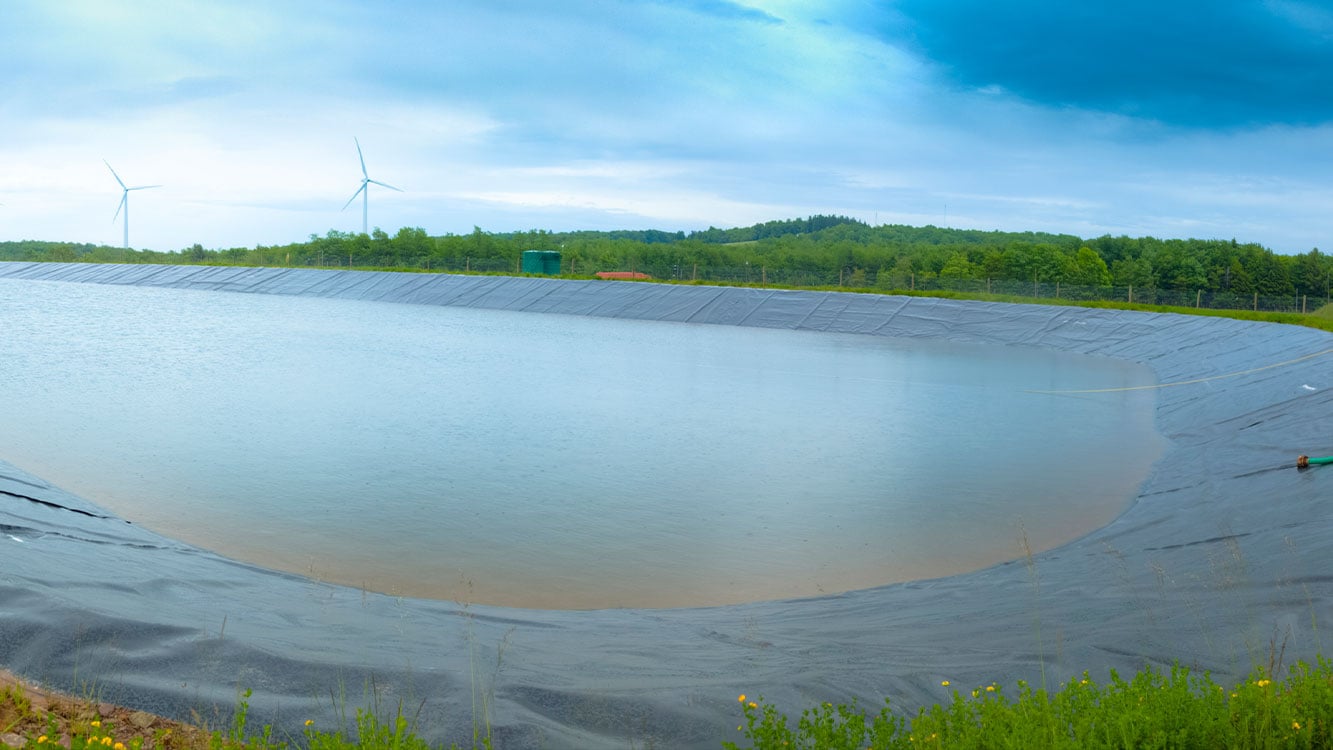
Hot wedge welding is generally not suitable for nonwoven geotextiles. For pond, landfill, and containment liners, see hot wedge welding for geomembranes and liners.
Hot Wedge Welding vs. Sewing, Adhesives, and RF
Here is how hot wedge welding compares with other ways to join industrial fabrics:
| Methode | Strengths | Limits |
|---|---|---|
| Naaien | Familiar, low upfront cost | Needle holes can leak, and thread wears over time |
| Adhesive bonding | Works on complex shapes | Curing time slows production |
| RF welding | Complex patterns and selective bonding in PVC and polyurethane | Only RF-suitable materials; higher equipment cost |
| Warmwiglassen | Fast, airtight, watertight seams; cost-effective for long, straight seams and large-format materials | Needs welding equipment; best suited to straight seams |
Choosing between the two most common heat welding methods? Compare hot wedge vs. hot air welding.
Tips for Strong Hot Wedge Seams
Prepare the Material
- Clean: Remove dirt, dust, and oil that could interfere with bonding.
- Align: Line up the fabric layers so the seam runs straight and even.
- Test: Weld samples to find the right temperature and speed before production.
Fine-Tune the Process
- Adjust for thickness: Thicker materials usually need slower speeds and more heat.
- Keep pressure even: Even roller pressure gives a uniform seam.
- Check as you go: Inspect seams during production to catch defects early.
Avoid Common Mistakes
- Wrong temperature: Too much heat damages the material; too little leaves a weak bond.
- Skipped maintenance: Clean and inspect the wedge and rollers regularly.
- Too little training: Well-trained operators make fewer errors.
Hoe bepaalt u welke Hot Wedge-technologie geschikt is voor uw processen, product of toepassing?
Het vinden van de juiste industriële hot wedge-oplossing hangt af van verschillende factoren, zoals materialen, bestaande processen en huidige apparatuur. Als u de beschikbare technologische opties doorlicht, werk dan nauw samen met een ervaren industriële lasexpert om uw doelen te bereiken en uw oplossing op maat te maken.
Overweeg de volgende technologische opties tijdens je doorlichtingsproces:
- T3 Extreme. Dit lasapparaat produceert alle naden die nodig zijn voor een spandoek- en signmaker en is ontworpen met het kleinere bedrijf in gedachten.
- T300 Extreme Flex. Als universeel lasapparaat gebruikt deze technologie hete lucht en hete wigtechnologieën met een scala aan naadtypes.
- T300 Extreme Schaduw. Het eenvoudige ontwerp van deze lasser zorgt voor een consistente en eenvoudige productconstructie.
- T600 Extreme Flex. Deze technologie maakt gebruik van hete lucht of hete wiglasoplossingen met een scala aan naadtypes en uitgebreide stofverwerkingsondersteuning voor consistente, eenvoudige productconstructie met een efficiënt en eenvoudig ontwerp en bediening.
- Triad Extreme Universal. A portable hot wedge welder that runs at about 10 m/min (33 ft/min) and welds either stationary or traveling on a tabletop track.
Stel jezelf en je productiepartner bij het evalueren van technologische opties ook de volgende vragen:
- Welke soorten thermoplastische materialen zijn lasbaar met hot wedge welding?
- Werkt een hot wedge lasoplossing met mijn bestaande apparatuur? Of is er een complete revisie nodig?
- Hebben mijn producten een lange, rechte naad nodig?
- Wat is mijn productoutputdoel?
- Bevatten mijn producten folie?
- Wil ik het geluid verminderen dat tijdens het productieproces ontstaat?
- Moet ik meerdere technologieën combineren om mijn productieproces te versterken (automatisering, hete lucht, hete wig)?
Meer weten over industriële Hot Wedge-technologie?
Wilt u meer weten over hot wedge lasoplossingen? Praat met een Miller Weldmaster expert voor meer informatie over het beste systeem voor uw toepassing.